Board Games for Kids and Families
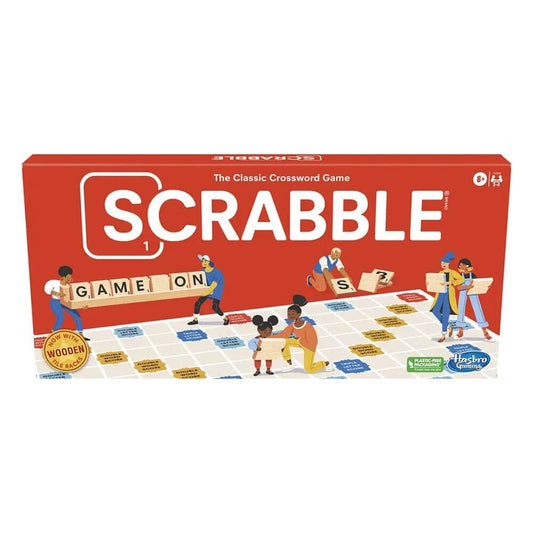
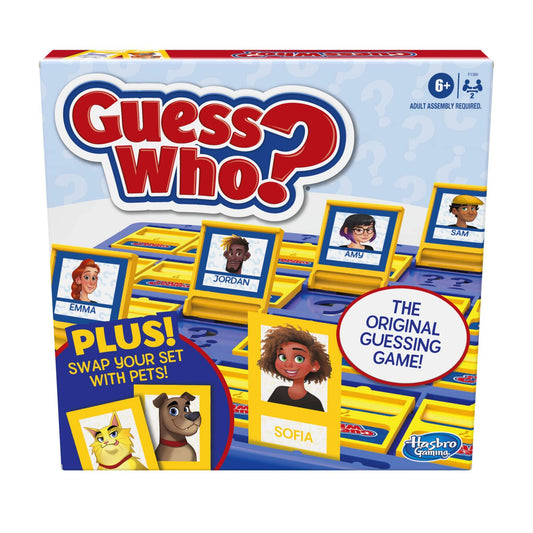
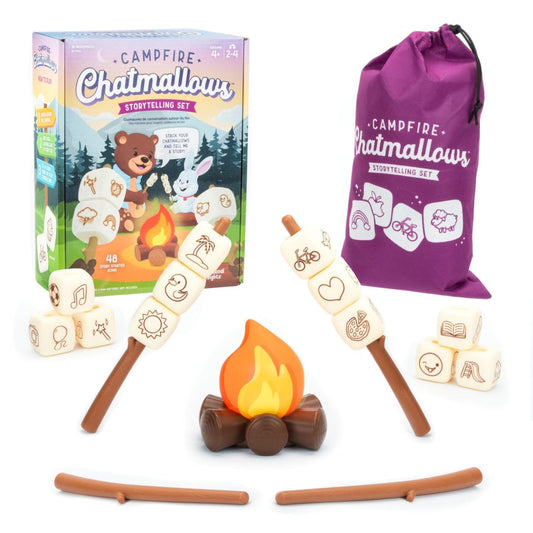
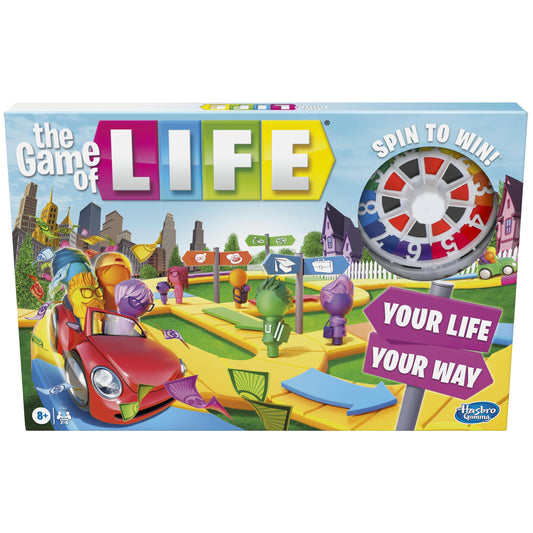
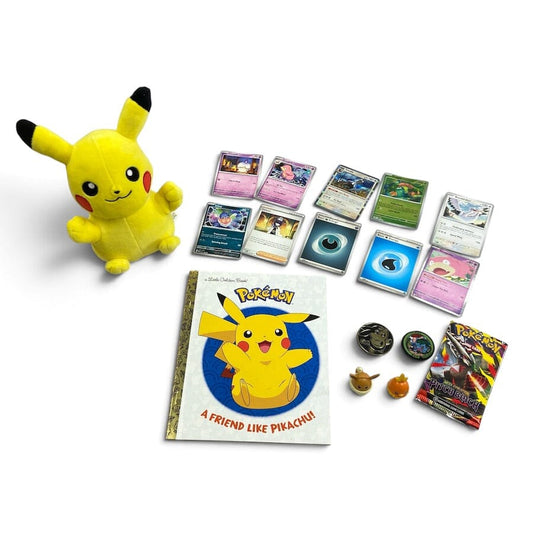
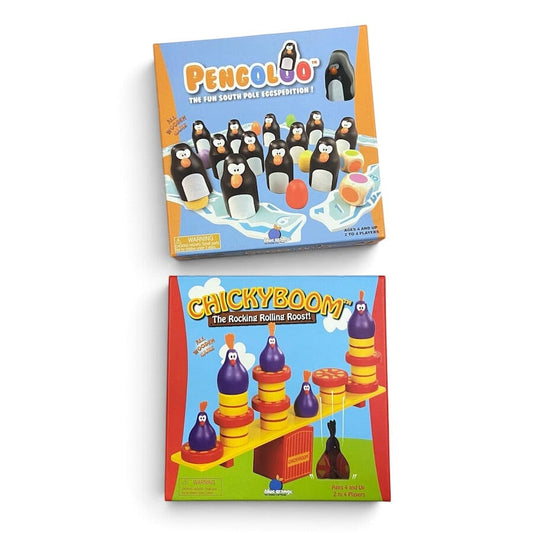
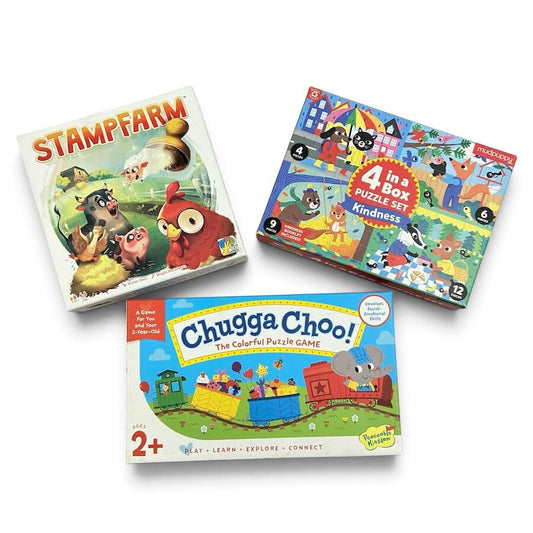
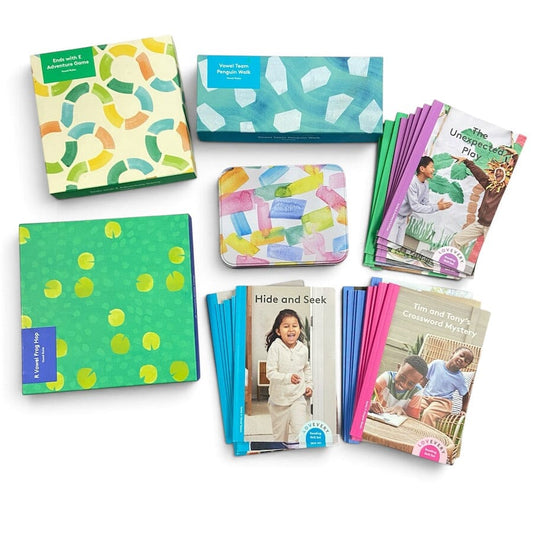
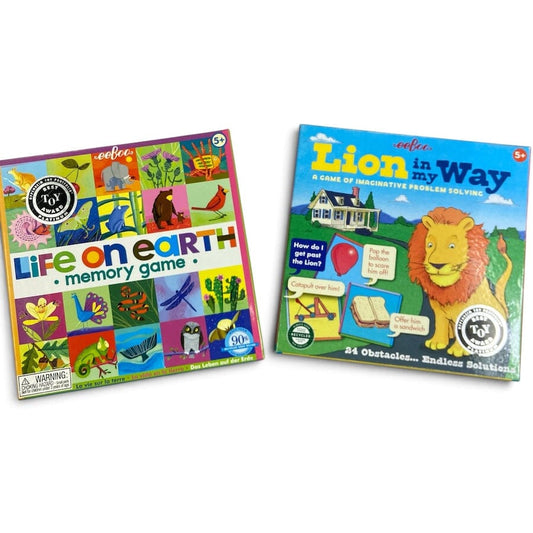
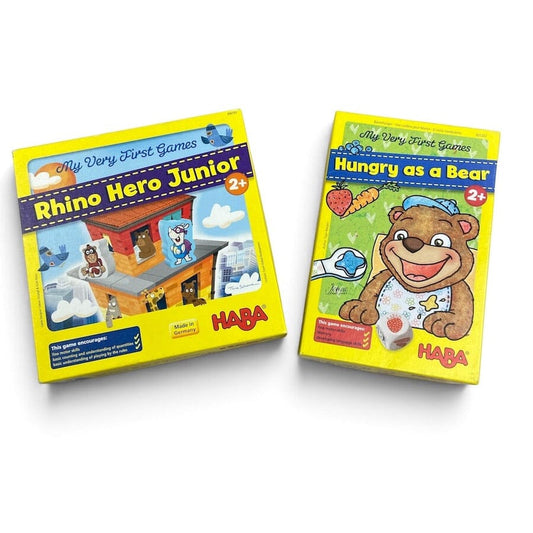
Children's board games are one of the few kinds of play that pull the whole family to the same table. Our collection leans on brands that build games to last — HABA, PlanToys and Begin Again — alongside titles from Lovevery and KiwiCo. Some arrive as consignments from local families; others are open-box and overstock rescued from retailer returns, which is why prices swing so widely. Stock rotates, but you'll typically find preschool board games and first board games like HABA's My Very First Games line (playable from age two), stacking and dexterity games like Animal Upon Animal, cooperative adventures like Inspector Mouse: The Great Escape, and strategy games for school-age kids like Karuba. Because much of it is one-of-a-kind, a game that looks right for your child may not be here next week.
Educational Games That Feel Like Play
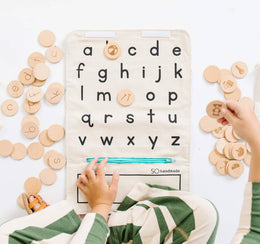
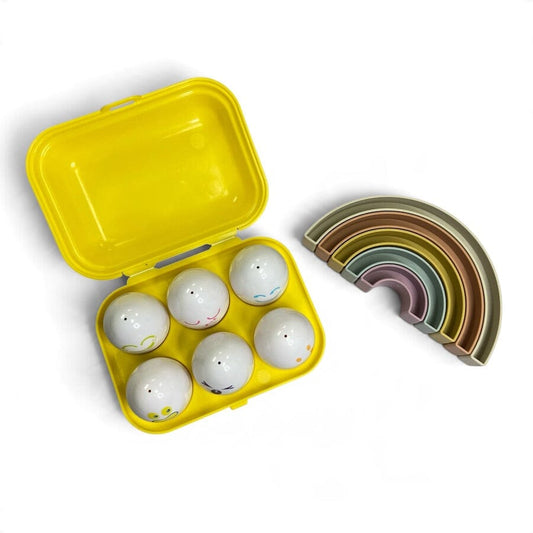
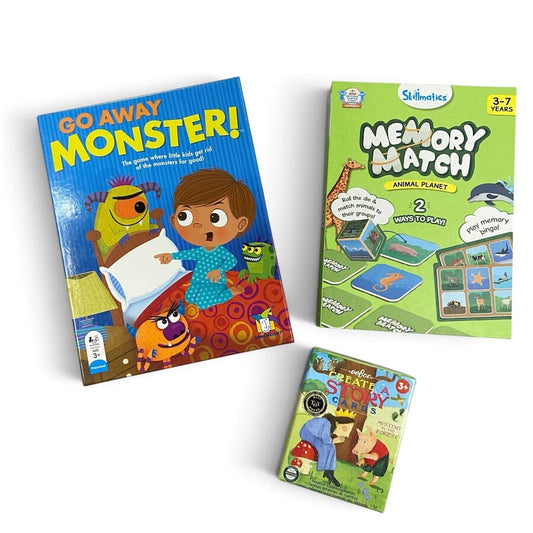
The best educational games for kids don't announce that they're educational. Turn-taking teaches patience; matching and memory games build recall; dice and bingo-style games sneak in counting and early math. That's the standard we sort for — wooden math bingo, memory games for toddlers, and alphabet matching sets that treat learning as a side effect of a good time. If your child is under three, simple matching and first-games formats do more for development than anything with a screen.
Wooden Games and Puzzles
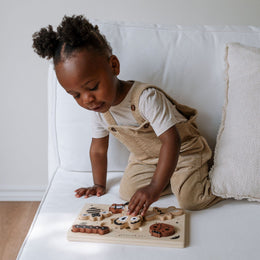
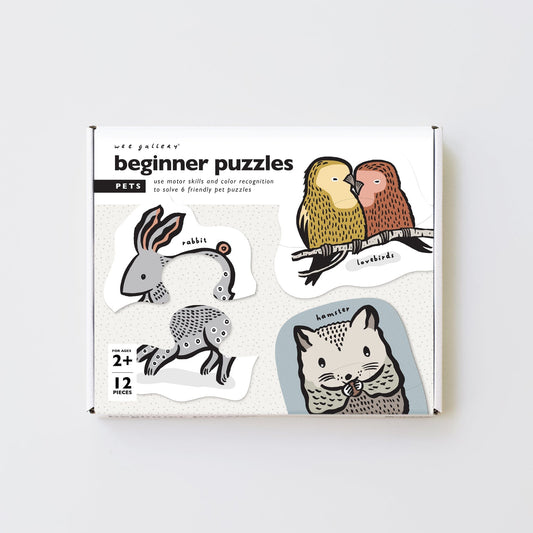
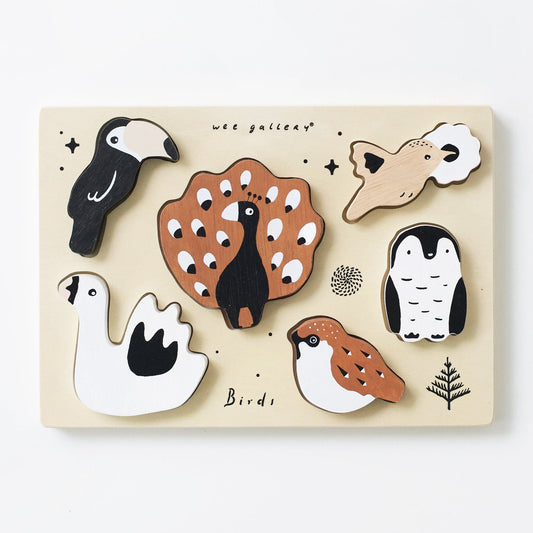
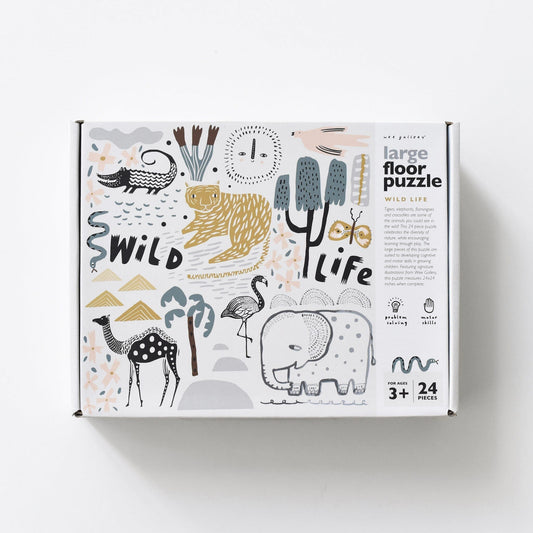
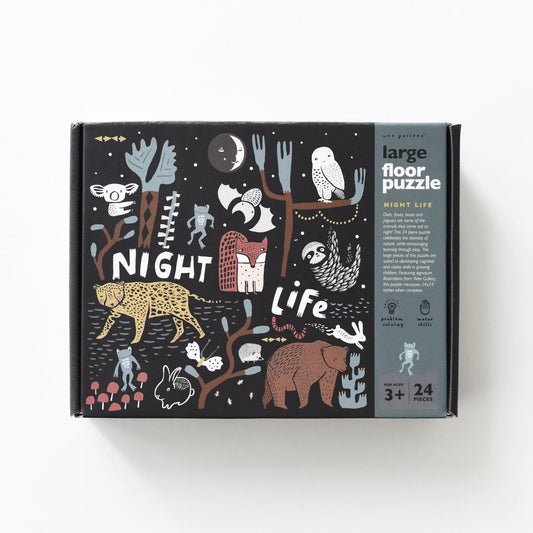
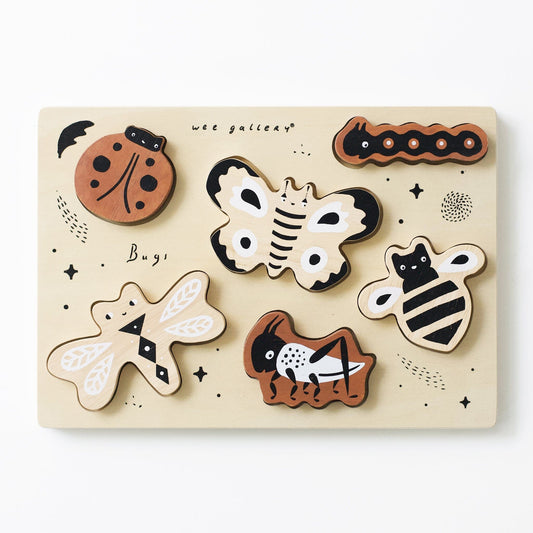
Wooden board games outlast their cardboard cousins — which matters twice over when toys are bought to be passed on. Alongside the games you'll find wooden tray and floor puzzles from Wee Gallery and nesting puzzles from PlanToys; for the full range, browse our kids' puzzles and wooden toys collections.
Why Buy Kids' Games Used or Open-Box
A board game gets played a handful of times before a family outgrows it — buying used board games is the rare case where secondhand means barely touched. Every game we list is inspected and honestly condition-graded first, and open-box games are typically unused with opened packaging. Discounted titles here typically run 25–50% below retail: a $50 PlanToys shuffleboard set, for example, listed at $24.99. When your kids outgrow their games, sell them back to us and keep the cycle going. Shopping by stage instead? Start with toys for 2 to 3 year olds or learning toys.
Frequently Asked Questions
What age can kids start playing board games?
Around age two, with first-games formats built for toddlers — HABA's My Very First Games line is designed for ages two and up. Before that, simple matching and memory games work better. Most classic family board games land in the 4–8 range, and strategy games like Karuba suit school-age kids.
Are used board games missing pieces?
Every used game is inspected and condition-graded before we list it, and the condition is stated on each product page. Anything that doesn't pass inspection doesn't get listed. Open-box games are a different category again — typically unused, with opened or damaged packaging only.
What are the best board games for 2–3 year olds?
Look for cooperative games with short rounds and big pieces. At this age the win is turn-taking, not winning — HABA's My Very First Games series and simple memory games like Lovevery's Things That Move are built exactly for that stage.
What makes a game educational?
Almost any good board game is educational: counting spaces is early math, matching builds memory, and losing gracefully is a life skill. Games marketed as "educational" — math bingo, alphabet matching — just make the skill explicit. The real test is whether your child asks to play again.
Why choose wooden board games?
Wooden games survive toddlers, basements and being handed down — which is why brands like PlanToys and HABA build with wood. They also hold resale value: a wooden game in good condition can be consigned back when your kids outgrow it.